Introduction to Thermostats: Understanding Your Options
Thermostats play a crucial role in regulating the temperature within our homes, directly influencing energy consumption, comfort, and utility bills. As of 2026, homeowners have a variety of thermostat types to consider: smart, programmable, and manual. Each option offers distinct advantages and features, catering to different needs and preferences.
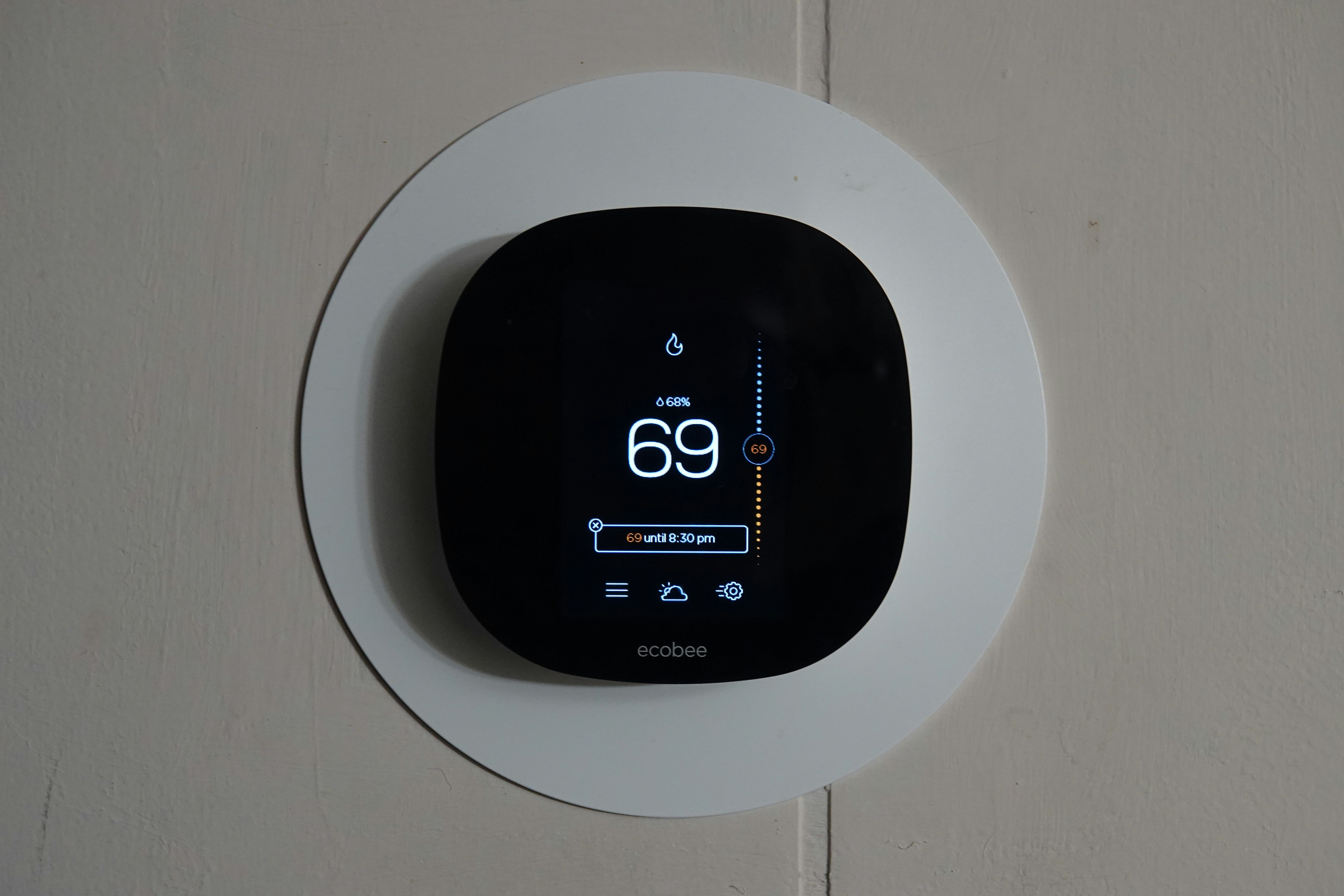
Smart thermostats represent the latest technological advancement in temperature control. These devices are equipped with Wi-Fi connectivity, allowing users to manage their heating and cooling systems remotely via smartphone applications. Additionally, they learn occupants’ preferences over time, automatically adjusting settings to maximize energy efficiency and comfort. The integration of features such as energy usage reports and maintenance reminders further enhances their appeal, making them a popular choice among tech-savvy homeowners.
Programmable thermostats, while not as advanced as their smart counterparts, still provide significant benefits. These devices enable users to set temperature schedules based on their daily routines. For example, one can program the thermostat to reduce heating or cooling when the house is unoccupied, leading to noticeable energy savings. Their straightforward installation process and ease of use make them an attractive option for many households.
On the other hand, manual thermostats are the simplest and most traditional form of temperature control. These devices require manual adjustment by the user to change the temperature, offering limited functionality compared to smart and programmable options. Though they may be less convenient, they represent an economical choice for those who prefer a no-frills solution.
Choosing the right thermostat is essential for optimizing energy consumption and ensuring comfort in your home. The selection process must consider installation costs, user preferences, and potential savings associated with each option. Understanding these differences will assist homeowners in identifying the most suitable thermostat for their needs in 2026.
Cost Comparison of Thermostats in 2026
As the landscape of home heating and cooling technologies continues to evolve, understanding the financial implications of thermostat options becomes crucial. By 2026, consumers will find three primary categories of thermostats available on the market: manual, programmable, and smart thermostats. Each of these categories comes with varying price ranges and potential savings associated with their use.
Manual thermostats serve as the most basic option, with prices typically falling between $18 and $35. These models are straightforward and easy to use, offering simple temperature control without advanced features. However, the trade-off here is limited energy efficiency, which may lead to higher heating and cooling costs over time.
Programmable thermostats represent an upgrade, providing enhanced control and efficiency at a cost ranging from $35 to $75. These devices allow users to set specific schedules for temperature adjustments based on daily routines, which can result in notable energy savings. For homeowners looking to optimize comfort and efficiency, programmable thermostats present a more proactive solution than their manual counterparts.
Smart thermostats, at the higher end of the spectrum, are priced between $130 and $280. These devices utilize advanced technology, including Wi-Fi connectivity and learning algorithms, to adapt to user habits and optimize energy usage dynamically. Although the initial investment is greater, the potential for substantial long-term savings is a crucial aspect for consumers to consider.
In addition to device costs, installation is a critical factor that can influence overall expenses. Hiring a professional installer could range from $85 to $150, depending on specific circumstances and local labor costs. Alternatively, some homeowners may opt for a DIY approach, saving on labor costs while taking on the responsibility of installation.
Annual Savings and Payback Period for Each Thermostat Type
Understanding the financial implications of different thermostat types is crucial for homeowners looking to optimize their energy consumption and utility costs. Each type, whether a smart thermostat, programmable one, or manual thermostat, has its associated costs and savings, which can significantly influence long-term economic efficiency.
Smart thermostats have gained popularity due to their potential for substantial energy savings. In Indiana, for instance, homeowners can expect to save between $140 to $200 annually on their utility bills by using smart technology. This innovation allows users to control their heating and cooling systems more effectively through features like remote access and adaptive learning, optimizing energy use based on individual preferences and patterns.
On the other hand, programmable thermostats offer notable savings too, although typically averaging lower than their smart counterparts, generally around $100 to $150 per year. These devices allow users to set schedules that automatically adjust the temperature, reducing energy consumption during periods when the home is empty.
Manual thermostats, while the most rudimentary option, often result in the least savings. The annual savings are minimal, usually about $50 to $75, since users have to adjust settings manually, which can lead to inefficient heating and cooling patterns.
The payback period is another crucial factor when contemplating the initial investment in these devices. With smart thermostats often priced between $150 to $300, the payback period may range from 1 to 2 years based on the higher energy savings. Programmable options tend to have shorter payback periods given their lower upfront costs and reasonable savings, while manual thermostats do not provide a return on investment in the same capacity, yielding limited energy efficiencies.
Recommendations Based on Home Type and Usage
Choosing the right type of thermostat for a home involves assessing various factors, including home size, number of occupants, and daily routines. For larger homes with multiple rooms, a smart thermostat is typically more advantageous. These devices can learn the household’s behavior, allowing for precise climate control in different zones of the home. Additionally, smart thermostats facilitate remote access and scheduling through mobile applications, which can be particularly beneficial for families with dynamic schedules.
In contrast, for smaller dwellings or homes with fewer occupants, a programmable thermostat offers a cost-effective alternative. These devices allow for pre-set schedules, making it easy to reduce heating and cooling during unoccupied hours. Homeowners can save significantly by optimizing energy use without the need for a smart feature set. For instance, a household that maintains regular working hours can program the thermostat to lower temperatures during the day and return to a comfort level before occupants arrive home.
For homes where residents prefer direct manual control, a manual thermostat may suffice. This option is often the most straightforward and inexpensive, fitting the needs of those who are present most of the time and prefer adjusting settings on demand. However, homeowners should still be mindful of heating and cooling patterns to avoid unnecessary energy expenses.
Regardless of the thermostat type chosen, essential installation tools like flathead screwdrivers, voltage testers, and precision levelers will aid in ensuring proper setup. Homeowners should also engage with utility providers for energy audits or incentives, allowing for tailored advice on optimizing their energy savings further. Ultimately, each home has unique requirements, and understanding these can lead to more energy-efficient choices.
If you’re interested in purchasing the item you seek, please click the link for additional details: #americanachoice.
https://amzn.to/3SBN3Oy
AFFILIATE DISCLOSURE: I am an affiliate for this company, I am not a paid employee.
I may receive a commission if you click a link on this page and choose to purchase something.
You can rest assured I will only share things I believe in and will be valuable to you.