Understanding the Etiquette of Borrowing Tools
When considering the etiquette of borrowing tools from your neighbor, it is essential to recognize the importance of basic principles like respect, trust, and communication, all of which contribute to healthy neighborly interactions. Respect begins with seeking permission before using any tool that belongs to another person. Approaching your neighbor and kindly asking if you can borrow their equipment not only demonstrates consideration but also acknowledges their ownership. This small act fosters goodwill and can deepen your relationship.
Another vital component is to acknowledge the worth of your neighbor’s property. It is imperative to ensure that the tool you are borrowing is in good condition and suited for your intended use. Moreover, being mindful of how you treat the tool while it is in your possession shows conscientiousness. If the tool is damaged, it is your responsibility to address the situation promptly. This may involve either repairing the item or replacing it, allowing for a respectful resolution that maintains trust.
Furthermore, effective communication plays a critical role in the borrowing process. It is advisable to provide information about the time frame for which you intend to use the tool and to return it in a timely manner. This action demonstrates reliability and fosters a sense of mutual respect between neighbors. If for any reason you require the tool for an extended period, it is best to update your neighbor on your situation and seek their opinion. Gauging the appropriateness of the tool borrowed is also significant; borrowing equipment meant for heavy usage when you only require a minor task can lead to mistrust and discomfort.
In conclusion, adhering to the unwritten rules of borrowing tools entails a blend of respect, communication, and responsibility, ensuring a harmonious neighborhood experience for all parties involved.
Preparing for the Borrowing Process
When contemplating borrowing tools from a neighbor, the first step is to precisely identify the tools required for the task at hand. This involves evaluating the job to be performed, understanding its requirements, and making a list of necessary tools. Being specific about the equipment needed not only streamlines the borrowing process but also demonstrates to your neighbor that you are organized and respectful of their property.
Next, planning your tasks efficiently is essential to avoid last-minute borrowing, which can create an impression of irresponsibility. By preparing in advance and establishing a timeline for your projects, you can ensure that you have ample time to borrow tools when needed. Consider creating a simple schedule that outlines when and how you intend to conduct your home improvement tasks. This proactive approach not only minimizes disruptions but also allows you to approach your neighbor when they are likely to be available to assist you.
Before approaching your neighbor for their tools, also take the time to check the condition of your own tools. By assessing what you already own, you may find that you can complete your task without borrowing anything at all. However, if you determine that certain tools are still needed, it will provide a basis for your request.
Lastly, engaging in a friendly manner when asking to borrow tools is vital. Establishing rapport with your neighbor can pave the way for better communication and trust. A simple conversation or expression of appreciation for their willingness to assist can go a long way. By fostering good relationships, you create a supportive environment where tool borrowing is viewed as a mutual benefit.
Returning Tools and the Importance of Maintenance
When borrowing tools from a neighbor, it is crucial to return them in the same condition as they were received. This not only demonstrates respect for your neighbor’s property but also reflects your commitment to maintaining good relationships within the community. One unwritten rule of borrowing tools is to ensure they are clean before being returned. A simple act of cleaning can go a long way in showing appreciation to your neighbor for lending their tools.
In the case that a tool sustains damage while in your possession, addressing this issue promptly is essential. Instead of waiting for your neighbor to notice, it is courteous to inform them about the damage and offer to repair or replace the tool. This behavior establishes trust and reinforces the mutual respect that is necessary for a harmonious neighborhood dynamic.
Timely returns are another critical aspect of borrowing tools. Keeping your borrowing duration brief can help avoid any potential inconvenience for your neighbor who might need the tool for their own projects. When you return the tools promptly and in good condition, it sets a positive tone for future borrowing arrangements.
Additionally, a small gesture of gratitude, such as a verbal thank you or a handwritten note, can enhance your relationship with your neighbor. Recognizing their willingness to share resources fosters a sense of community, and showing appreciation can encourage them to be more receptive in the future. Maintaining this etiquette not only benefits you but also contributes to a supportive and cooperative environment within your neighborhood.
Building a Borrowing Community
Establishing a borrowing culture within your neighborhood can have numerous advantages that extend beyond mere convenience. When neighbors share tools and resources, they foster a sense of community that can lead to stronger interpersonal connections and mutual trust. A reliable borrowing culture not only saves money but also encourages social interaction, unity, and teamwork among residents. Through regular exchanges, neighbors can transform their relationships from simple acquaintances to supportive friendships.
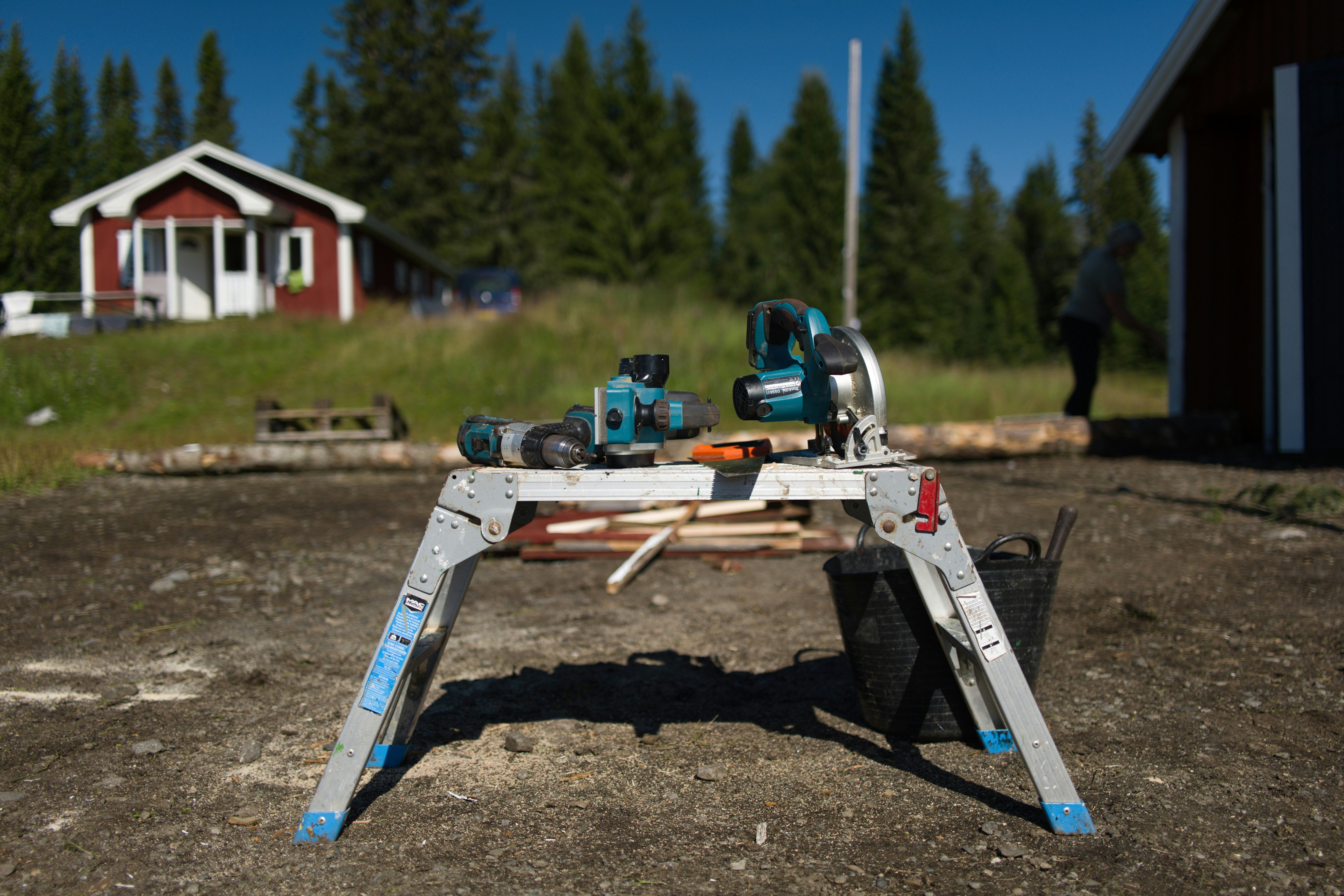
One effective way to enhance the borrowing experience is to set up a communal tool shed. This shared space allows neighbors to collectively maintain tools and equipment, encouraging ownership and responsibility for shared resources. By collectively investing in a variety of tools, such as lawnmowers, power drills, or gardening supplies, all members can benefit without the need for individual purchases that may not be used frequently. A tool shed also acts as a physical reminder of collective responsibility and cooperation.
Organizing neighborhood events can significantly bolster this sharing culture. Regular gatherings, such as tool-swap days or community barbecues, provide an informal platform for residents to interact and exchange tools. These events can also serve as opportunities for neighbors to discuss projects they are undertaking, allowing them to borrow or lend tools as needed. By fostering a collaborative atmosphere, residents are more likely to engage in resource-sharing behaviors, further strengthening their community ties.
Moreover, effective communication is paramount in building a borrowing community. Utilizing neighborhood social media or group messaging apps can facilitate quick and easy exchanges of tools and information about their use. With proper communication channels, residents can outline borrowing agreements that respect individual property and promote accountability. By nurturing a culture of open dialogue and cooperation, neighborhoods can create an environment where borrowing tools becomes a common and accepted practice.
If you’re interested in purchasing the item you seek, please click the link for additional details: #americanachoice.
https://amzn.to/3SBN3Oy
AFFILIATE DISCLOSURE: I am an affiliate for this company, I am not a paid employee.
I may receive a commission if you click a link on this page and choose to purchase something.
You can rest assured I will only share things I believe in and will be valuable to you.