Understanding Drill Bits: What Are They and How Do They Work?
Drill bits are essential tools utilized in a wide variety of applications across different industries, including construction, woodworking, and metalworking. The fundamental purpose of a drill bit is to create holes in various materials, enabling a myriad of tasks such as fastening, installing, or assembling components. These specialized tools convert rotational motion into cutting action, allowing for precise and efficient hole creation.
The mechanism behind drill bits is relatively straightforward. As the drill bit rotates, its cutting edges engage with the material being drilled, gradually removing material and forming a hole. The geometry and design of the drill bit are meticulously engineered to optimize cutting efficiency and enhance longevity. This design aspect includes considerations such as the bit’s flute structure, which promotes the removal of debris, and the tip style tailored for specific materials.
Drill bits are manufactured from various materials, which significantly influence their performance and suitability for particular tasks. Common materials include high-speed steel (HSS), which offers high durability and resistance to heat; carbide, known for its hardness and wear resistance; and specialty coatings that can enhance performance and longevity. Each material type provides unique benefits, making it crucial to select the right drill bit based on the material to be drilled and the desired hole characteristics.
Understanding how drill bits work, and the critical factors that influence their performance is essential for anyone engaged in projects requiring precise drilling. By familiarizing oneself with diverse drill bits and their appropriate applications, an informed choice can be made, thereby ensuring efficiency and enhancing the overall quality of work.
Types of Drill Bits: Which One Is Right for Your Project?
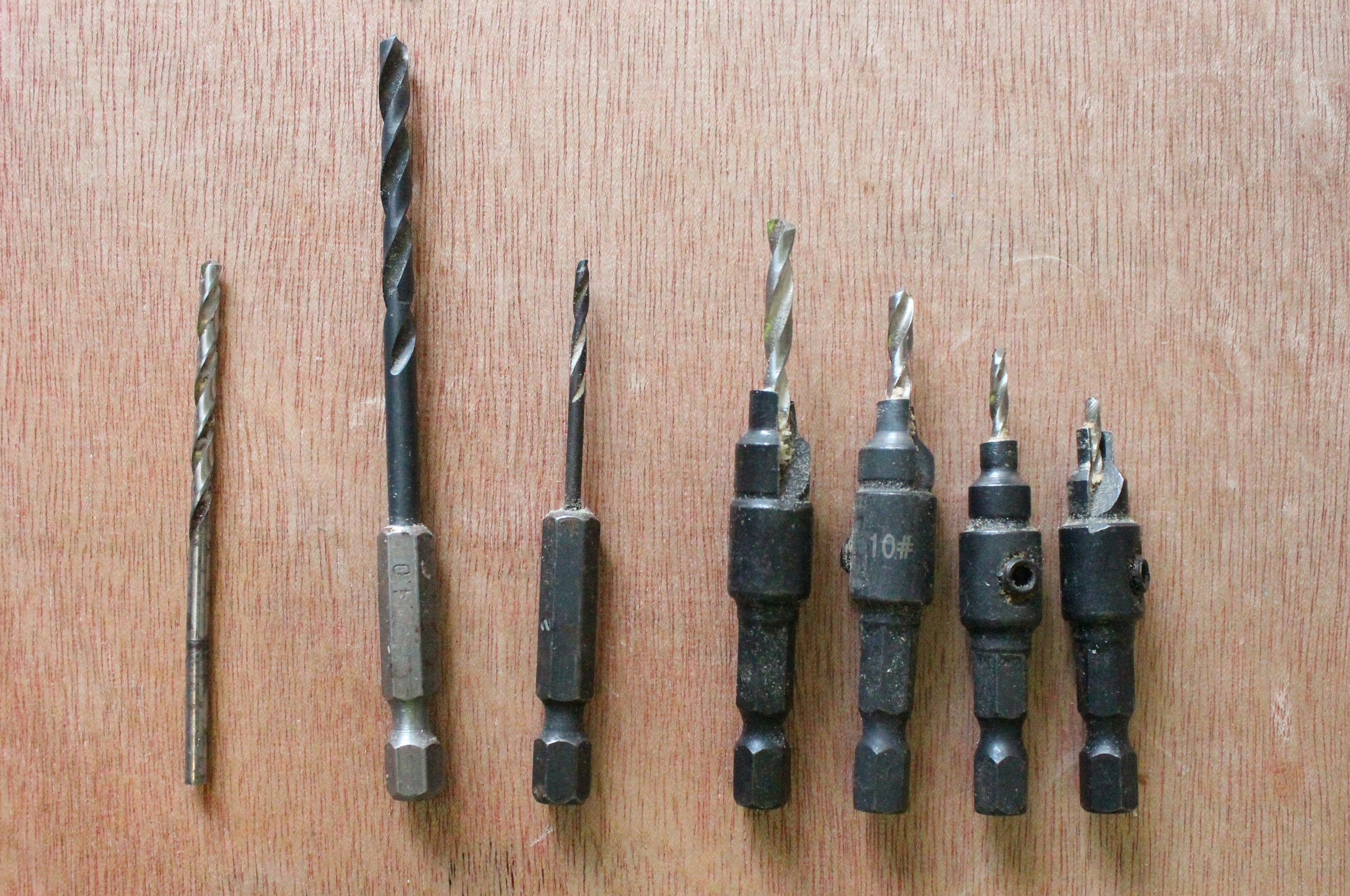
Drill bits come in various shapes and sizes, each designed for specific applications, making it crucial to choose the right type for your project. The most common type is the twist bit, ideal for drilling into wood, metal, and plastic. These bits feature a spiral design that efficiently removes debris, enabling smoother drilling. Twist bits are versatile and widely used, making them a staple in any toolbox.
Another popular option is the spade bit, which is ideal for creating large holes in wood. Spade bits have a flat blade design and typically have a pointed tip for positioning. They are excellent for tasks such as running cables or plumbing through wooden surfaces. However, due to their design, they may not be suitable for hard materials.
Masonry bits are specifically designed for drilling into hard materials like brick, concrete, and stone. These bits have a tungsten carbide tip, which is effective for penetrating tough surfaces. It is advisable to use a hammer drill in conjunction with masonry bits for optimum performance, as this combination enhances the drilling process.
Specialized bits, such as hammer drill bits and brad point bits, cater to particular requirements. Hammer drill bits are designed to work with hammer drills, utilizing a rapid hammering action to facilitate drilling into tough materials like concrete and stone. On the other hand, brad point bits are used for precise wood drilling, featuring a sharp center point that helps in maintaining accuracy and preventing the bit from wandering.
By understanding the different types of drill bits and their specific applications, DIY enthusiasts and professionals alike can make informed decisions, ensuring they select the right drill bit for their project needs. This comprehensive knowledge helps in achieving efficiency and accuracy while drilling.
Choosing the Right Drill Bit: Factors to Consider
When selecting a drill bit, several important factors must be taken into consideration to ensure optimal performance and durability. The first factor to assess is material compatibility. Different materials require specific types of drill bits to achieve effective penetration. For instance, wood typically demands high-speed steel (HSS) or titanium-coated bits, while metal can require cobalt or carbide-tipped options for enhanced performance.
Next, size considerations play a pivotal role. The diameter of the drill bit should match the required hole size. Additionally, the length of the bit must be suitable for the task at hand, especially in scenarios like drilling deep holes where longer bits may be necessary. Choosing the correct size will ensure that the drill can operate efficiently without undue wear.
Drill speed is another crucial element affecting performance and the type of drill bit to use. High-speed drilling may necessitate particularly designed bits that can withstand increased heat and friction. Therefore, it is important to consult the specifications of the drill bit, which often indicate the appropriate speed settings for optimal functioning.
The intended use of the drill bit further influences the selection process. Specialty applications may benefit from specific bit designs. For example, masonry bits with their unique tip designs are engineered for concrete, while spade bits are better suited for larger holes in wood. Understanding the specific requirements of your project will guide you in selecting the most appropriate drill bit.
Finally, the quality of drill bits and their brand reputation can greatly impact performance. Investing in well-reviewed, high-quality drill bits can provide enhanced durability, cutting precision, and overall efficiency. As the saying goes, you often get what you pay for, so it’s wise to select brands that are known for their reliability and quality in the market.
Drill Bit Maintenance: Keeping Your Bits in Top Shape
To ensure longevity and optimal performance, maintaining your drill bits is essential. Proper care not only extends their lifespan but also enhances the efficiency of your drilling tasks. Regular maintenance practices can prevent costly replacements and ensure safety during use.
One important aspect of drill bit maintenance is proper cleaning. After each use, it is crucial to clean the bits to remove any debris or residue that may accumulate. A soft brush or cloth can be used to wipe away particles, and soaking the bits in soapy water can help remove stubborn grime. It is advisable to avoid abrasive materials that might scratch or damage the carbide or steel surfaces.
Storage conditions also play a significant role in maintaining drill bits. Keeping them in a dry place, away from moisture, is critical as moisture can lead to rust, especially for steel bits. Utilizing a designated storage container, such as a drill bit holder or case, can help keep them organized and protected. Additionally, ensuring that bits are stored in a way that prevents them from rubbing against each other can minimize wear on the cutting edges.
Recognizing the signs that indicate when a drill bit needs to be replaced is equally important. Dull drill bits are often less effective, requiring more pressure and leading to inaccurate holes. If the bit begins to leave rough or ragged edges, it is a clear indication that sharpening or replacement is necessary. Another sign to look for is excessive heating during use, which may suggest that the bit has worn out and is no longer functioning correctly.
In conclusion, the routine maintenance of drill bits, including regular cleaning, appropriate storage, and awareness of their condition, is vital. By adhering to these practices, users can ensure their drill bits remain in top shape, facilitating safer and more efficient drilling activities.
If you’re interested in purchasing the item you seek, please click the link for additional details: #americanachoice.
https://amzn.to/3SBN3Oy
AFFILIATE DISCLOSURE: I am an affiliate for this company, I am not a paid employee.
I may receive a commission if you click a link on this page and choose to purchase something.
You can rest assured I will only share things I believe in and will be valuable to you.