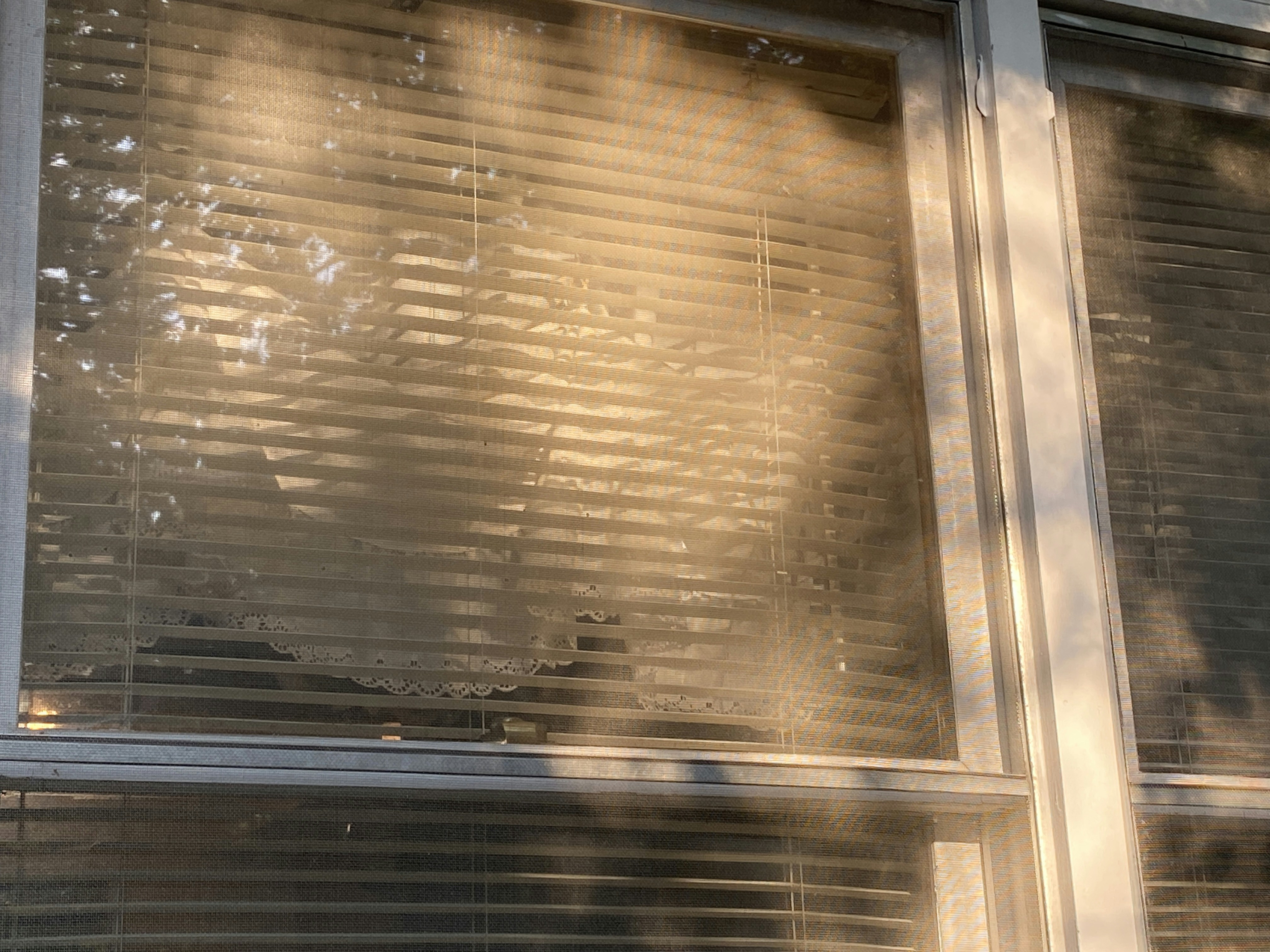
Understanding Heat Transfer Through Windows
Windows play a crucial role in the thermal performance of a building, significantly influencing both heat gain and loss. Heat transfer through windows occurs via three primary mechanisms: conduction, convection, and radiation. Conduction refers to the direct transfer of heat through solid materials, while convection involves the movement of heat through a fluid, such as air. Radiation, on the other hand, involves energy transfer through electromagnetic waves, which can affect indoor temperatures even in absence of physical contact.
The type of window installed in a building can greatly impact its heat transfer characteristics. For instance, single-pane windows allow more heat to escape compared to double or triple-glazed windows. The orientation of the windows—facing south or west—also affects heat gain due to direct sunlight, particularly in warmer climates. Moreover, the geographical region plays a pivotal role; areas with high temperatures can experience significant heat influx during the summer months.
Effective heat-reduction strategies are essential for enhancing energy efficiency and maintaining comfort indoors. Utilizing window films, blackout curtains, or solar shades can mitigate excessive heat entering a home. Window films can reflect or absorb heat, thereby reducing the amount of solar energy transmitted inside. Blackout curtains not only block light but also provide additional insulation, curtailing heat transfer. Solar shades work by allowing light to filter through while blocking harmful UV rays and reducing glare, striking a balance between visibility and thermal comfort.
Understanding how heat enters and exits through windows is vital for homeowners seeking to optimize their home’s energy efficiency. Implementing suitable window treatments can dramatically diminish heat gain and loss, resulting in lower energy costs and an overall more pleasant living environment.
Comparison of Heat-Blocking Solutions
When considering heat-blocking solutions for residential and commercial spaces, three main options emerge: window film, blackout curtains, and solar shades. Each of these alternatives has unique characteristics that cater to different needs and preferences.
Window Film is an increasingly popular choice in modern setups. It is applied directly to the glass surface and can effectively reject up to 80% of the sun’s heat while allowing natural light to enter. This solution boasts both functionality and an unobtrusive aesthetic, making it suitable for any interior design. However, while installation can often be a straightforward DIY project, proper application is essential to avoid bubbles and wrinkles, which may necessitate professional help. Maintenance is straightforward—generally requiring only regular cleaning with non-abrasive solutions to preserve its clarity and effectiveness.
Blackout Curtains, on the other hand, are known for their ability to block out light completely, providing a dark environment that is ideal for sleeping or media rooms. Their heat rejection capability varies by fabric thickness, with some high-quality options blocking significant heat as well. Aesthetic appeal is another strong point, as they can complement various decor styles. Installation is typically as easy as hanging traditional rods, although they may require more frequent cleaning to remove dust buildup. They also require consideration of window size and shape to ensure optimal performance.
Finally, Solar Shades provide a balance between light control and heat rejection. They come in various opacities, allowing users to select the desired level of transparency while still blocking harmful UV rays and reducing glare. Solar shades can fit seamlessly into modern decor, offering a sleek look. Installation is generally manageable, either as a DIY project or professionally, though they may need occasional dusting or washing to maintain their appearance.
By understanding the key features and differences among these three options, consumers can make an informed decision tailored to their specific needs, aesthetic preferences, and practical requirements.
Costs of Each Solution in 2026
In 2026, the costs associated with heat-blocking solutions such as window film, blackout curtains, and solar shades vary significantly, depending on the materials, brands, and installation methods chosen. Understanding these costs is essential for homeowners contemplating the most economical option for their windows.
Window film generally ranges from $5 to $12 per square foot for materials alone. The total cost can vary based on the type of film selected, with specialized films designed for heat reduction typically on the higher end of the scale. For instance, high-performance solar control films offer superior heat rejection but may command prices approaching $15 per square foot. Installation costs, if hiring professionals, can add anywhere from $100 to $300 per window. However, some homeowners may opt for DIY installation, which can reduce costs considerably.
Blackout curtains are another option, costing between $20 and $150 per panel, depending on fabric quality and brand reputation. A standard window may require two panels for complete coverage, leading to an overall expense of $40 to $300 per window. While DIY installation is straightforward, ensuring proper fit and functionality may still require some effort, which could deter those seeking a hands-off approach.
Solar shades fall in a middle ground, typically costing around $20 to $60 per shade. Like the other options, these shades may also incur installation costs when hiring a professional, making the overall expense approximately $50 to $200 per window. Homeowners may find DIY installation more accessible with solar shades due to their simpler mounting mechanisms.
Ultimately, while the initial costs of each solution are a significant factor, the potential savings on energy bills and enhanced comfort levels should also be considered as part of the total investment in home improvement.
Installation Tips and Accessories for Optimal Performance
When considering heat-blocking solutions such as window film, blackout curtains, or solar shades, the installation process is critical to ensure optimal performance. Each method requires specific tools and accessories that facilitate a smooth setup while enhancing overall efficacy in blocking heat.
For window film installation, essential tools include a utility knife, a squeegee, and a spray bottle filled with a soapy solution. The soapy water assists in reducing friction when applying the film, allowing for a better fit. Begin by thoroughly cleaning the window surface and measuring the film accordingly. A common issue arises from air bubbles; utilize the squeegee to push air toward the edges for a seamless finish. An additional tip is to apply the film on a humid day, as the added moisture may help it adhere better.
Blackout curtains involve a somewhat different installation approach. Primarily, you will need a drill, mounting brackets, and possibly a level to ensure that the rods are straight. It’s advisable to measure the window frame before purchasing, as poorly sized curtains can hinder their effectiveness in blocking light. When installing, secure the mounting brackets slightly above the window frame to maximize coverage. As for fabric type, choose heavily weighted materials that provide better insulation against heat.
Solar shades, which can be mounted inside or outside the window frame, typically require similar tools—namely a drill and appropriate mounting hardware. Ensure to check the width and length specifications provided by the manufacturer to avoid common sizing issues. When installing, be mindful of the orientation of the shades, as they need to face the right direction to maximize their solar performance.
In conclusion, the accurate installation of window film, blackout curtains, or solar shades demands careful selection of tools and an understanding of potential challenges. Adopting these tips will enhance the performance of these heat-blocking solutions while providing a more comfortable living environment.
If you’re interested in purchasing the item you seek, please click the link for additional details: #americanachoice.
https://amzn.to/3SBN3Oy
AFFILIATE DISCLOSURE: I am an affiliate for this company, I am not a paid employee.
I may receive a commission if you click a link on this page and choose to purchase something.
You can rest assured I will only share things I believe in and will be valuable to you.