Understanding Plumbing Components and Costs
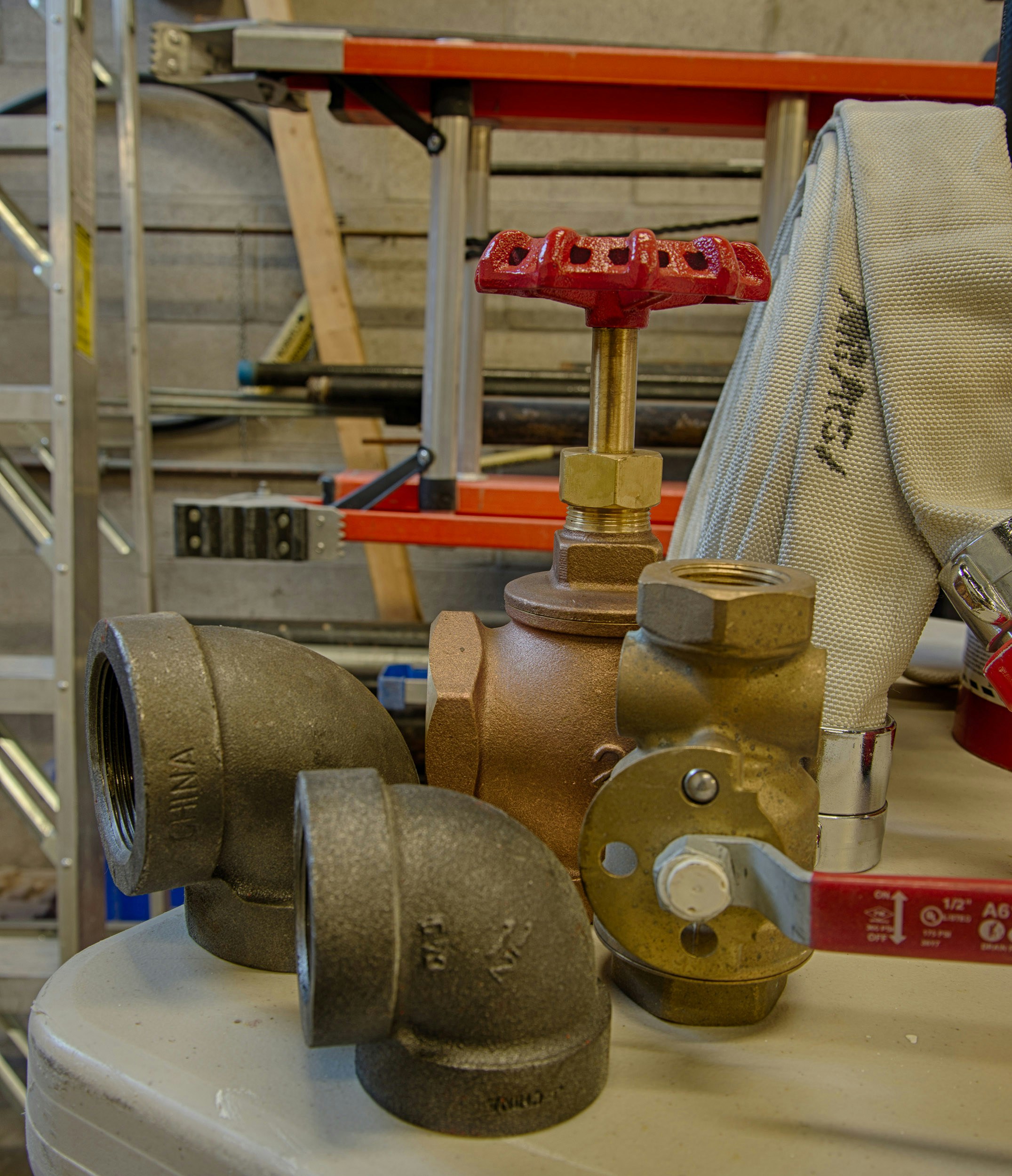
For homeowners, a fundamental understanding of plumbing components is crucial, not only for maintenance but also for making informed decisions about repairs and upgrades. Several key plumbing components play vital roles in the functionality of household systems.
One essential component is the toilet flapper valve. This small part controls the flow of water from the tank to the bowl. When it malfunctions, it can cause continuous running water, leading to increased water bills. The average cost of a replacement flapper valve ranges from $5 to $15, making it an easy fix for most homeowners.
The fill valve is another critical component that regulates water entering the toilet tank. A malfunctioning fill valve can cause the tank to overfill or not fill at all. Pricing for fill valves averages between $10 and $30, depending on the brand and type selected. It’s a relatively low-cost repair that can prevent water waste and ensure the toilet functions properly.
Supply lines, which connect your plumbing fixtures to the main water supply, are vital for a proper flow of water. These lines typically cost between $10 and $50 depending on the material and quality. Installing new supply lines can be an important step in updating your plumbing system.
The p-trap is a curved pipe located under sinks that prevents sewer gases from escaping into the home. P-trap replacements generally cost about $10 to $30. Homeowners should periodically check for leaks, as these can indicate a need for replacement, potentially saving on larger plumbing issues down the line.
Lastly, drain snakes, or augers, are essential tools for unclogging drains. Basic hand-crank versions can cost between $15 and $25. For more severe clogs, professional-grade equipment may be needed, which can run higher but is beneficial in maintaining unobstructed drainage.
Understanding the components listed above not only helps in recognizing early signs of plumbing issues but also enables homeowners to anticipate costs associated with repairs and upgrades.
Common Plumbing Issues and Their Solutions
Homeowners frequently encounter various plumbing issues that, if left unaddressed, may lead to significant damage or costly repairs. Understanding these common problems and their respective solutions can empower homeowners to tackle minor issues on their own while knowing when to seek professional assistance.
One of the most prevalent plumbing problems is a running toilet. A toilet that runs incessantly not only leads to water waste but can also result in higher utility bills. This issue is often caused by a faulty flapper or chain mechanism that fails to seal properly. Homeowners can inspect the toilet’s tank to determine if the flapper requires replacement or if the chain needs adjustment. Simple fixes, such as ensuring the flapper is seated correctly, often resolve this problem without necessitating professional intervention.
Another frequent issue faced by homeowners is clogged drains. Over time, sinks, showers, and bathtubs can accumulate debris, hair, and soap scum, leading to slow drainage or complete blockage. For minor clogs, using a plunger or a plumber’s snake can often clear the blockage effectively. In cases where these methods are insufficient, a mixture of baking soda and vinegar can be poured down the drain to help dissolve the obstacle. However, persistent clogs may indicate deeper plumbing issues, and homeowners should consider contacting a professional plumber for thorough inspection and cleaning.
Leaking pipes are another significant concern. They can lead to severe water damage, mold growth, and increased water bills. Homeowners should routinely check under sinks and behind appliances for any signs of moisture or water stains. In some cases, tightening fittings can halt the leak, while in others, pipe replacement may be necessary. By familiarizing themselves with these common plumbing issues, homeowners can take timely action, conserving resources and maintaining a safe and functional home environment.
When to Call a Plumber vs. DIY Solutions
Homeowners often face plumbing issues that may prompt them to choose between resolving the problem themselves or seeking professional help. Understanding the type of plumbing repair at hand is crucial in making this decision. Several scenarios lend themselves to DIY solutions, while others are better left to licensed plumbers.
Minor issues such as leaky faucets, running toilets, and clogged drains can usually be managed with some basic tools and a willingness to learn. For these types of problems, homeowners can consult online resources and instructional videos that provide clear guidance on how to perform repairs without professional assistance. Often, these minor repairs can be accomplished quickly, helping to prevent further damage and save on repair costs.
However, the complexity of plumbing systems means that not all issues are suitable for DIY repair. For example, if a homeowner encounters persistent leaks, inexplicable water pressure changes, or sewage backups, it is advisable to contact a licensed plumber. These indications often signal underlying problems such as pipe corrosion, or blockages beyond typical snaking techniques. In such cases, attempting a DIY repair can lead to additional damage, increasing both the repair time and costs.
It is also important to consider safety. Plumbers have the experience and equipment necessary to handle hazardous situations, such as gas leaks or significant water damage. Consequently, any scenario that involves high-risk elements should prompt homeowners to call a professional instead of attempting a DIY fix.
Ultimately, weighing the severity of the situation, the potential for personal injury, and the desire to learn new skills will aid homeowners in deciding whether to proceed with DIY plumbing or hire a professional. Making informed decisions about plumbing repairs can mitigate risks while enhancing one’s knowledge and experience in home maintenance.
Basic Plumbing Tools Every Homeowner Should Own
Having the right tools at hand is crucial for any homeowner looking to tackle basic plumbing tasks effectively. Understanding the essential plumbing tools allows individuals to address minor repairs and maintenance issues without the need for professional assistance. Below, we will explore some must-have plumbing tools that can help empower homeowners in managing their plumbing systems.
One of the most versatile tools in any plumbing toolkit is the channel-lock pliers. These pliers are designed to grip and turn various types of plumbing fixtures with ease. Their adjustable jaw allows for a secure hold on nuts, bolts, and pipes, making them indispensable for tasks such as tightening fittings or loosening stubborn connections.
Another essential item is a good-quality pipe wrench. This tool is specifically designed for gripping and turning pipes and is essential when working with larger plumbing components. Its teeth provide a secure grip, reducing the risk of slipping while applying torque to pipes during repairs or installations.
Teflon tape also plays a significant role in plumbing maintenance. This tape is used to seal threaded connections, preventing leaks in plumbing systems. Applying teflon tape correctly ensures a watertight seal, saving homeowners from potential water damage caused by leaks.
In addition to these tools, a plunger is vital for clearing clogs in toilets and drains. Homeowners should invest in both a standard plunger and a flange plunger, as they are specifically designed to tackle different types of blockages. Additionally, a hand auger can be useful for deeper clogs that require a more specialized approach.
It is advisable for homeowners to keep a basic plumbing toolkit, including these essential tools, on hand. Being prepared not only saves time and money but also provides peace of mind knowing that minor plumbing tasks can be handled promptly and effectively.
If you’re interested in purchasing the item you seek, please click the link for additional details: #americanachoice.
https://amzn.to/3SBN3Oy
AFFILIATE DISCLOSURE: I am an affiliate for this company, I am not a paid employee.
I may receive a commission if you click a link on this page and choose to purchase something.
You can rest assured I will only share things I believe in and will be valuable to you.