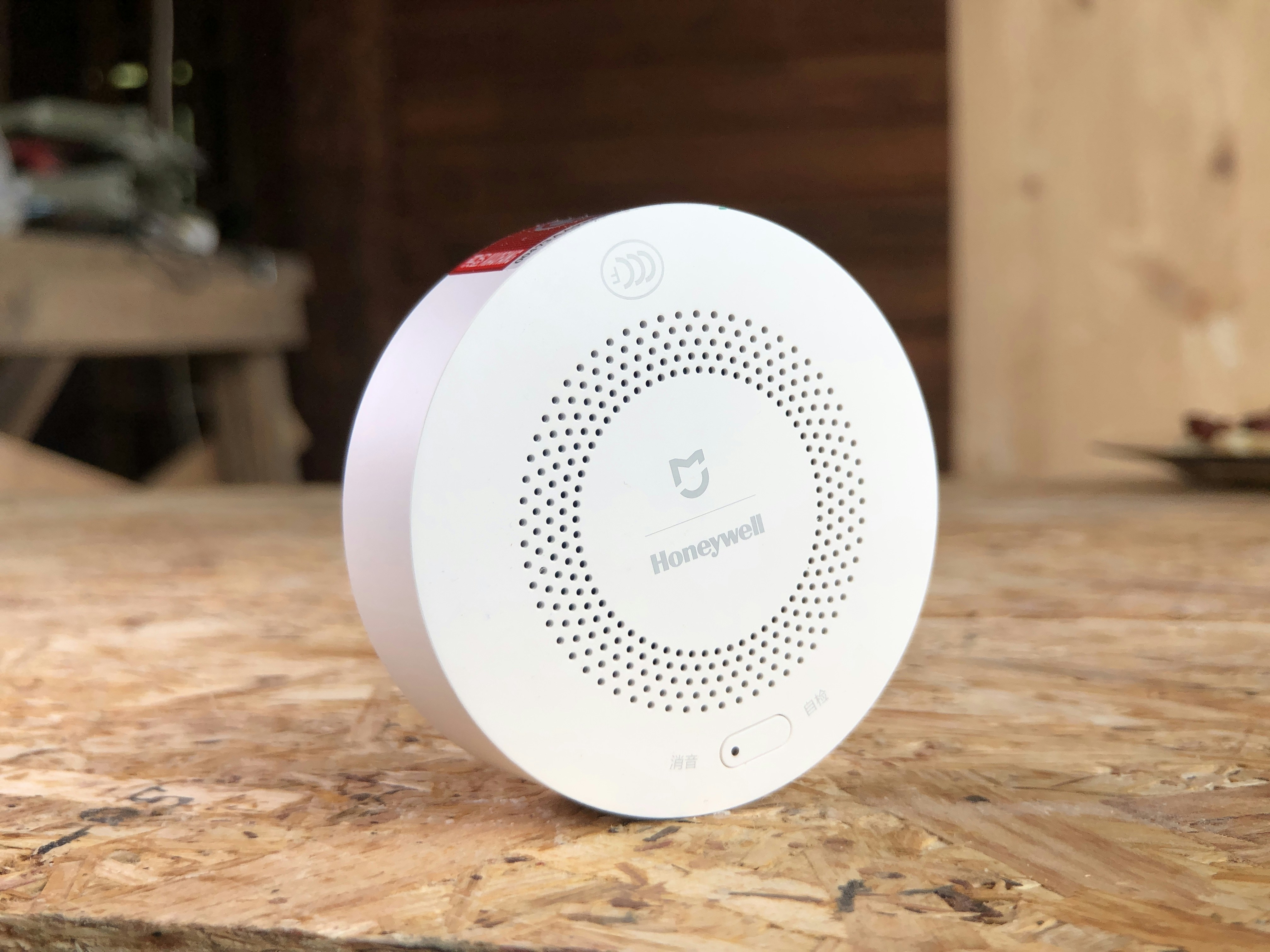
The Importance of Updating Your Smoke and CO Detectors
Smoke and carbon monoxide detectors are vital components of home safety, yet many homes are still equipped with outdated devices. It is crucial to recognize that most smoke detectors have a recommended lifespan of approximately 10 years. Ignoring the need for replacement can pose significant safety hazards. Older devices may fail to function effectively, resulting in an increased risk of undetected fires or carbon monoxide leaks, which can have dire consequences.
Beyond the mechanical failure that comes with age, advancements in technology have led to the development of more reliable detectors. Newer models offer enhanced features such as better sensitivity to smoke and CO levels, improved alarm systems, and even smart technology integration that allows for real-time monitoring through smartphones. Outdated detectors not only compromise safety but may also lack these modern conveniences that can inform homeowners of developing dangers swiftly and efficiently.
Moreover, smoke and CO detectors serve as the first line of defense in preventing tragedy. A properly functioning detector can provide critical early warnings that enable individuals to evacuate and contact emergency services promptly. The emotional and financial toll of a fire or carbon monoxide poisoning can be devastating, underscoring the necessity of regular maintenance and timely replacements of these life-saving devices. Homeowners should routinely inspect their detectors and replace them as needed to maintain a safe living environment.
In conclusion, the importance of updating smoke and CO detectors cannot be overstated. With the potential risks associated with outdated models, it is essential for homeowners to prioritize the replacement of these devices. Regular upgrades can greatly enhance home safety, ensuring that families are adequately protected from the dangers of fire and carbon monoxide exposure. Staying diligent about detector maintenance and replacement is a proactive step towards safeguarding lives and property.
Understanding the Costs of New Detectors
As we progress into 2026, the market for smoke and carbon monoxide detectors has evolved, offering a variety of options that cater to different needs and budgets. Understanding the costs associated with these detectors is essential for homeowners planning to replace or upgrade their safety devices. The price range can vary significantly depending on several factors including the type, features, and whether the device is part of a larger home safety system.
Basic smoke detectors typically serve as the most cost-effective option, with prices ranging from $15 to $30. These devices are designed primarily to detect smoke and provide a loud alarm when smoke is detected. They are suitable for those on a tight budget or for individual use in smaller spaces. However, they do not offer advanced features such as carbon monoxide detection or smart connectivity.
Dual smoke and carbon monoxide combination units represent a mid-range option, generally priced between $30 and $70. These units provide the essential functions of both smoke and CO detection in one device, making them a popular choice for families. They simplify installation since a single unit can serve dual purposes, thus potentially reducing installation costs if professional help is needed.
For homeowners looking for advanced technology, smart interconnected detectors are available, usually ranging from $70 to $200. These devices often feature Wi-Fi connectivity that allows users to receive alerts on their smartphones, even when they are away from home. Some models integrate with other smart home devices, providing greater safety and convenience. Investing in smart interconnected options can offer peace of mind through enhanced safety monitoring, especially for those with larger homes or specific safety concerns.
Ultimately, when budgeting for smoke and CO detector replacements in 2026, it’s crucial to consider not just the initial purchase price but also the long-term benefits and functionalities of each type of unit. By selecting the right detectors, homeowners can ensure a safer living environment while also aligning with their financial planning.
Indianapolis Regulations and Recommendations
In Indianapolis, and indeed throughout the state of Indiana, there are specific regulations concerning the installation and placement of smoke and carbon monoxide (CO) detectors that homeowners must adhere to. Ensuring compliance with these regulations is crucial not only for the safety of occupants but also for legal reasons.
The Indiana law stipulates that smoke detectors must be installed in every sleeping area, on every level of the home, and within hallways leading to the bedrooms. This ensures that occupants are alerted promptly in case of a fire. Additionally, it is recommended that smoke detectors be wired into the home’s electrical system with battery backup, to ensure functionality even during power outages.
For carbon monoxide detectors, the guidelines specify that they should be placed within 15 feet of any sleeping area. This proximity is vital as it ensures that the devices can effectively alert residents during the night when they are most vulnerable. Homeowners should consider installing these detectors on every level of the home, particularly in areas near fuel-burning appliances, as carbon monoxide can accumulate in these spaces without proper ventilation.
It is also important to be aware that while local laws serve as a minimum standard, organizations such as the National Fire Protection Association (NFPA) and the Consumer Product Safety Commission (CPSC) often provide additional recommendations. Homeowners are encouraged to stay informed about both local regulations and national best practices regarding smoke and CO detectors.
By adhering to these laws and recommendations, homeowners can significantly enhance the safety of their living environment. Regular maintenance, including testing the detectors monthly and replacing batteries annually, is also essential to ensure that these life-saving devices function properly when needed.
DIY Installation and Upgrading Tips
Replacing and upgrading smoke and carbon monoxide (CO) detectors is an essential aspect of home safety management. When deciding on a DIY installation, it is important to first assess the existing setup in your home. The installation process can differ significantly depending on whether you are using hardwired or battery-operated units.
For battery-operated detectors, the installation is relatively straightforward. Typically, you will need to remove the old unit from its mounting bracket, ensuring that the power source is disconnected. After this, you can position the new detector at the same location, utilizing existing holes if available. It usually takes about 15 to 30 minutes to complete the installation for a single unit. Ensure to test the device post-installation to confirm functionality.
In contrast, hardwired detectors require more extensive knowledge and preparation. This installation involves connecting the detector to your home’s electrical system. Before beginning, it is advisable to turn off the power to the affected circuit at the breaker box. Once the power is off, remove the old unit, and connect the wiring for the new device according to the manufacturer’s instructions. This type of installation can take longer—ranging from 30 minutes to an hour—due to the electrical work required.
Another critical factor in your decision-making process is whether to undertake a DIY installation or hire a professional. If you are comfortable with basic electrical work and follow safety precautions, a DIY upgrade may be effective and economical. However, if you lack experience, particularly with hardwired systems, hiring a qualified electrician can provide peace of mind, ensuring compliance with local safety regulations and code requirements.
Ultimately, whether you choose to install smoke and CO detectors yourself or enlist professional help, regular maintenance checks and timely upgrades are paramount for maintaining a safe living environment.
If you’re interested in purchasing the item you seek, please click the link for additional details: #americanachoice.
https://amzn.to/3SBN3Oy
AFFILIATE DISCLOSURE: I am an affiliate for this company, I am not a paid employee.
I may receive a commission if you click a link on this page and choose to purchase something.
You can rest assured I will only share things I believe in and will be valuable to you.