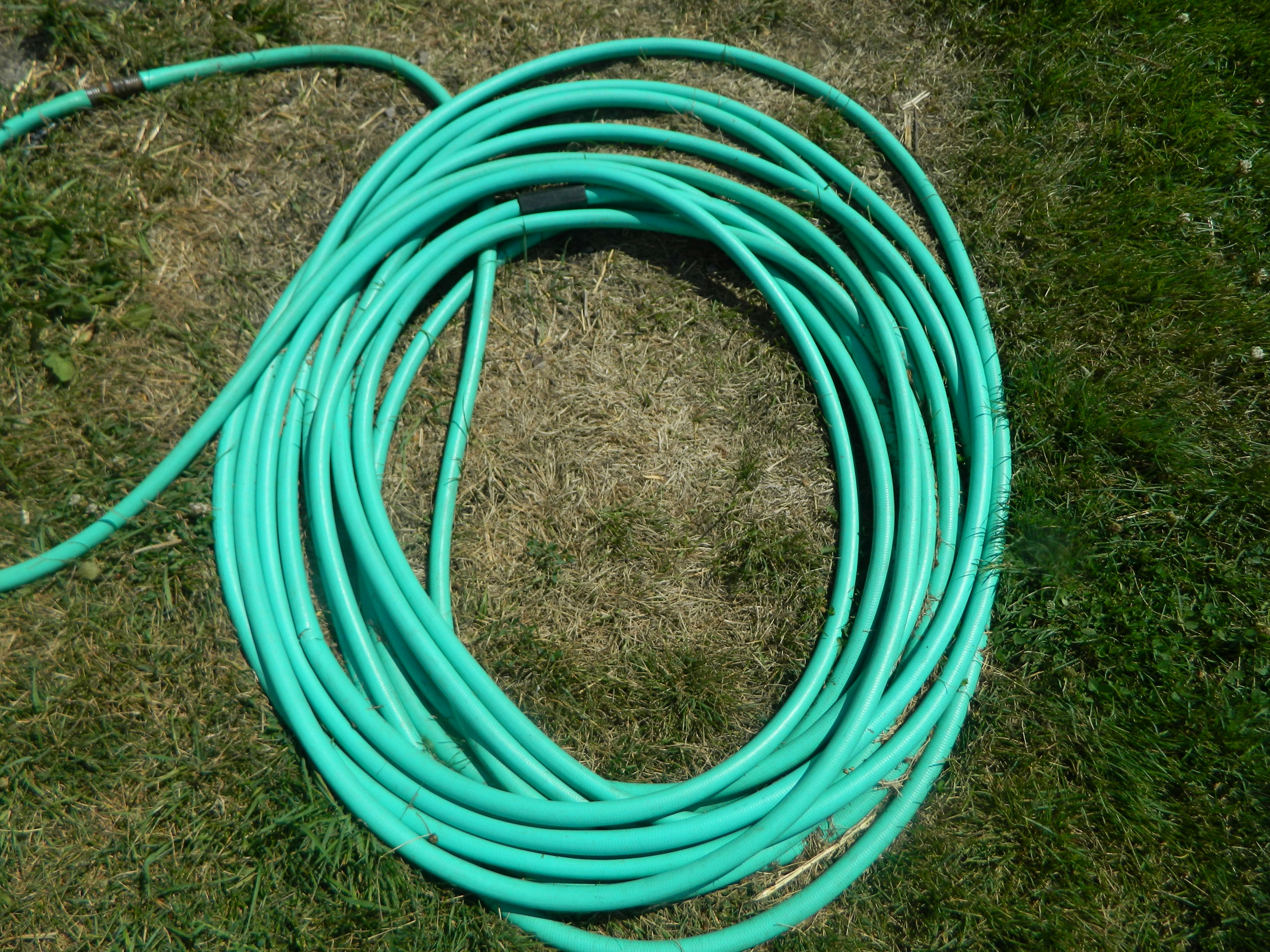
Understanding the Basics of Garden Hoses
Garden hoses are essential tools for any gardener, and understanding their components is crucial for making an informed choice. The fundamental elements to consider include materials, sizes, and types, each of which significantly impacts the performance and durability of the hose.
When it comes to materials, garden hoses are typically made from three categories: vinyl, rubber, and hybrid. Vinyl hoses are lightweight and budget-friendly, making them suitable for light-duty tasks. However, they may not withstand extreme temperatures or heavy usage. In contrast, rubber hoses offer superior durability and can handle higher water pressures, making them ideal for more strenuous gardening tasks. Hybrid hoses combine the best features of both vinyl and rubber, providing flexibility and resistance to kinks while maintaining a robust structure.
Size is another critical factor. Garden hoses come in various lengths and diameters, which can range from 25 to 100 feet and typically feature diameters of 1/2 inch to 5/8 inch. A longer hose allows for greater reach in larger gardens, while a wider diameter can facilitate a higher water flow, essential for tasks like filling a watering can or running a sprinkler system.
Additionally, understanding the different types of hoses available can help tailor your gardening experience. Soaker hoses, for instance, are designed to release water directly into the soil, reducing evaporation and targeting the roots. Expandable hoses, on the other hand, are known for their convenience and lightweight nature, expanding when filled with water and shrinking for easy storage. Each type comes with its distinct advantages and limitations, which should be considered based on the specific gardening tasks you plan to undertake.
Choosing the Right Garden Hose for Your Needs
Selecting the appropriate garden hose is paramount for any gardening enthusiast. The process begins with assessing the specific requirements dictated by your gardening space. Notably, the type of plants in your garden plays a crucial role in your decision. Delicate flowers may require a gentle spray, while larger plants or vegetable gardens may benefit from a more powerful stream of water. Understanding these needs will help in selecting a hose that offers adjustable flow rates or compatible nozzles to cater to various watering methods.
Next, the size of your garden should influence your hose selection as well. For smaller gardens or container plants, a shorter hose may suffice, while larger garden spaces often necessitate a longer hose to reach all areas without additional connectors or extensions. Furthermore, consider the configuration of your garden; winding paths or elevated areas might require more flexibility and maneuverability from your hose.
Another essential factor to consider is the features of the hose itself. Kink-resistance is a vital attribute, ensuring your hose remains functional without interruptions caused by twists and turns. Additionally, temperature tolerance is crucial; if your gardening conditions include extreme temperatures, selecting a hose designed to withstand these variations will help prevent damage. Durability is also key; options made from high-quality materials such as rubber or reinforced vinyl offer extended life spans compared to lesser materials.
Moreover, ease of handling is essential to ensure comfortable use. Hoses that are lightweight and feature ergonomic handles can significantly reduce strain during watering tasks. By evaluating these factors carefully, gardeners can select a hose that not only meets their current watering needs but also enhances their overall gardening experience.
Maintenance Tips to Extend the Life of Your Garden Hose
Maintaining your garden hose is essential not only for maximizing its service life but also for ensuring optimal performance during use. One of the most effective methods to maintain a garden hose is through proper storage. When not in use, it is advisable to store the hose in a shaded area away from direct sunlight, as UV rays can degrade the material over time. A hose reel or a storage container designed specifically for hoses can help prevent kinks and tangles, making retrieval straightforward and preventing damage caused by improper handling.
Cleaning your garden hose regularly can also enhance its durability. Algae and mold growth can occur, particularly in warmer climates or if the hose is stored improperly. To clean your hose, mix a mild detergent with water and utilize a soft brush to scrub the exterior. For inside cleaning, you can use a mixture of equal parts vinegar and water. This not only removes dirt but also helps in preventing internal build-up.
Another common concern with garden hoses is the occurrence of leaks or kinks. Regularly inspect the hose for signs of wear and tear, including cracks or weak points, especially at the coupling ends. If a leak is detected, it’s often a simple fix. A hose repair kit can provide necessary components to patch minor damages. When it comes to kinks, gently uncoil the hose and avoid pulling it too tightly, as this can create further bends and breaks in the material. By following these maintenance tips, you can significantly extend the life of your garden hose, ensuring it remains a reliable tool in your gardening endeavors.
Innovative Features to Look for in Modern Garden Hoses
Modern garden hoses have evolved significantly, incorporating innovative features that enhance both functionality and usability. One of the key advancements is the development of lightweight designs, which greatly facilitate handling and maneuverability in the garden. This is particularly beneficial for those with larger yards, as a lighter hose means less strain during watering sessions. Furthermore, many contemporary hoses are now constructed from advanced materials that resist abrasion, ensuring they remain durable and long-lasting even under tough conditions.
Another noteworthy feature is the introduction of specialized connectors that improve the seal between the hose and the tap or sprayer, minimizing leaks and maximizing water pressure. These connectors are often designed to be user-friendly, allowing for quick disconnect without the need for tools. In addition, hoses with self-retracting mechanisms are gaining popularity, as they can automatically wind up when not in use, reducing clutter in the garden shed and simplifying storage.
Moreover, integrated pressure regulators are becoming commonplace in modern garden hoses. These regulators ensure consistent water flow, regardless of fluctuations in pressure, making gardening tasks more predictable and efficient. For those who desire even more versatility, some hoses come equipped with adjustable features that allow users to customize the water flow according to their specific needs. This adaptability is especially useful for different gardening tasks, such as watering delicate plants, cleaning gravel driveways, or filling bird baths.
Overall, these innovative features significantly enhance the gardening experience, allowing for greater ease and efficiency. When selecting a garden hose, it is essential to consider these advancements to ensure that the chosen product aligns well with individual gardening needs and preferences.
If you’re interested in purchasing the item you seek, please click the link for additional details: #americanachoice.
https://amzn.to/3SBN3Oy
AFFILIATE DISCLOSURE: I am an affiliate for this company, I am not a paid employee.
I may receive a commission if you click a link on this page and choose to purchase something.
You can rest assured I will only share things I believe in and will be valuable to you.