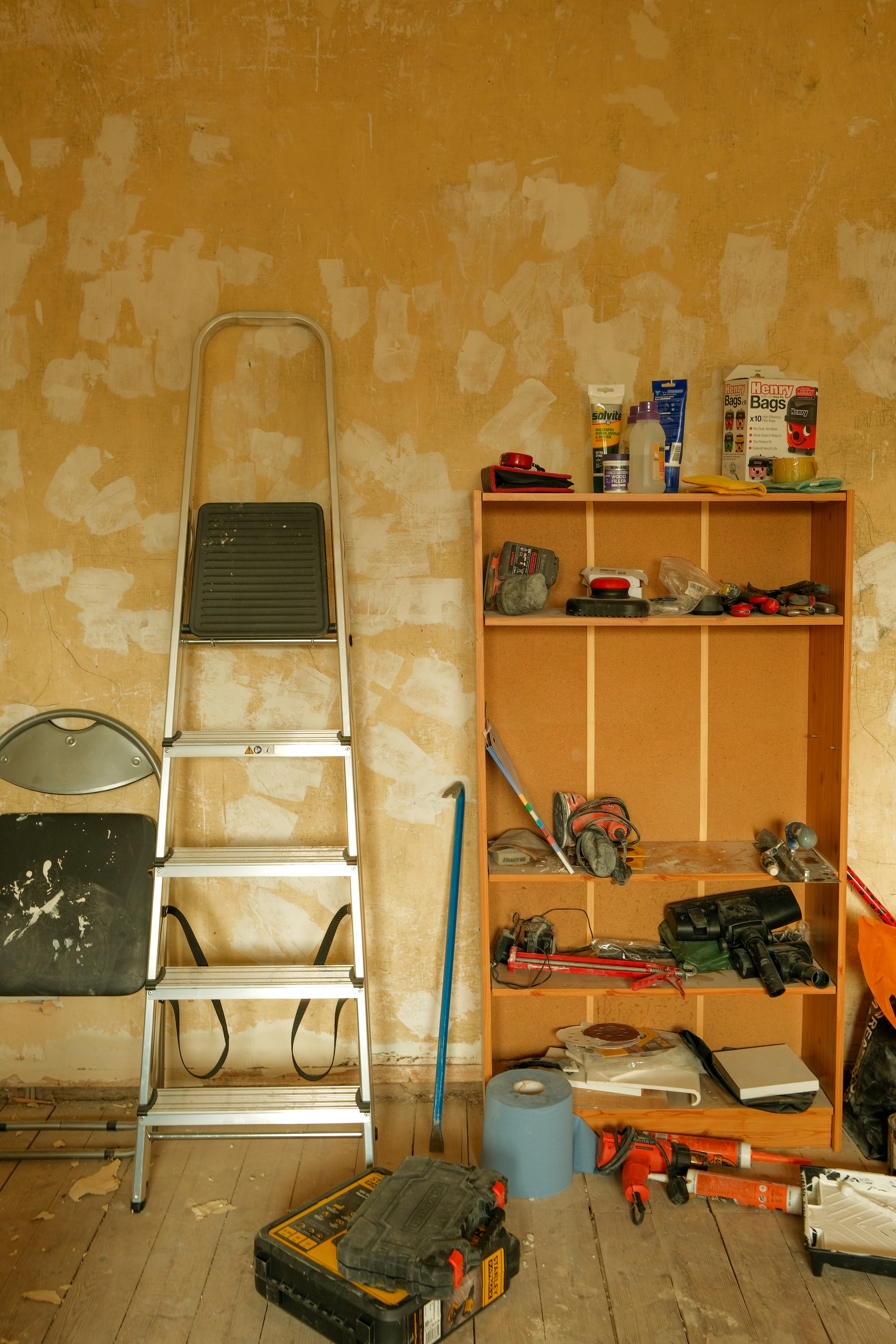
Introduction: The Allure of ‘How Hard Can It Be?’
It is a universal sentiment shared by many homeowners embarking on renovation projects: the thought that one might be able to bypass detailed instructions and still achieve satisfactory results. The phrase, ‘how hard can it be?’ encapsulates a common tendency to underestimate the complexities involved in home improvement tasks. This casual assumption often leads individuals to embark on ambitious projects with little more than enthusiasm and determination, dismissing the need for careful planning and adherence to guidelines.
Whether it is attempting to install new cabinetry or replacing plumbing fixtures, the desire to take shortcuts can sway even the most cautious of DIYers. Anecdotal evidence abounds of individuals who, confident in their skills, faced unexpected challenges due to their decision to skip crucial steps outlined in instruction manuals. The humorous mishaps and missteps that result from this mindset often serve as cautionary tales that highlight the consequences of neglecting detailed guidance.
Moreover, the digital age has further perpetuated this tendency, with countless online videos promoting quick fixes and simplified approaches to home projects. While these resources are undoubtedly valuable, they can also foster a misleading belief in the ease of certain tasks. The reality is that many home improvements require a level of expertise and precision that cannot be achieved through sheer enthusiasm alone. Ignoring the intricacies involved may lead to preventable disasters, impacting time, resources, and ultimately, the satisfaction derived from a completed project.
As we delve deeper into the topic of home disasters precipitated by the neglect of instructions, it becomes crucial to remind ourselves of the value of adhering to established guidelines. Doing so not only ensures successful outcomes but also cultivates a deeper respect for the intricacies of home improvement.
Disaster #1: The Leaning Shelf Saga
Picture this scenario: a newly minted homeowner excited to personalize their living space decides to install wall shelves to showcase books and decorative items. However, in an effort to expedite the process, they stash the instruction manual aside, thinking to themselves, “How hard could it be?”. With a few tools in hand and a head full of assumptions, they begin to mount the shelves against the wall.
Initially, the endeavor appears seamless. Each bracket is positioned, and the screws are securely fastened. But as the day progresses, gravity takes its toll, and the shelves begin to sag. The homeowner, realizing they miscalculated the weight capacity, now faces the consequences of their hasty decisions. Instead of a sleek display, they find themselves with a shelf that leans alarmingly to one side, creating an unconventional and rather disheveled aesthetic.
To make matters worse, the improper anchoring of the shelves leads to more than just a visual disaster. When one of the shelves finally gives way under the weight of what was believed to be a safe collection of knick-knacks, the crash not only shatters the beloved items, but also sends a wave of anxiety through the homeowner. An innocent home improvement project transforms into a cautionary tale of how neglecting instructions can lead to chaos.
In a home environment where organization and safety should reign, the leaning shelf serves as a constant reminder of the potential pitfalls associated with a disregard for the instructions. It highlights the importance of thorough preparation and careful adherence to guidelines when undertaking any DIY project. Ultimately, this escapade serves as a lighthearted yet poignant example of how one small oversight can cause a disproportionate amount of trouble.
Disaster #2: The Paint Color Catastrophe
The decision to paint one’s home is often accompanied by an array of emotions—excitement about transformation, and at times, overwhelming confusion. One particular incident illustrates the chaos that can result from neglecting the importance of proper guidance in selecting paint colors. A well-intentioned DIY enthusiast, eager to refresh their small living room, rushed the process. Instead of reviewing sample colors and following the manufacturer’s instructions, attention was diverted to a striking paint can adorned with elegant graphics.
The allure of the design led to a selection of a bold turquoise shade, which appeared delightful in the display but quickly proved disastrous when applied to the walls. What was initially envisioned as a subtle, calming pastel hue ended up transforming the living room into a vibrant spectacle reminiscent of an aquatic theme park. The shock of this choice was compounded by the fact that the color overwhelmed the space, making it feel smaller and less inviting.
This story is a cautionary tale that highlights a common tendency among homeowners to hastily choose paint colors based on superficial factors, such as can appearance or a fleeting whim. The resulting paint color catastrophe serves as a reminder of the critical importance of taking the time to evaluate samples under different lighting conditions and to thoroughly understand the instructions provided by paint manufacturers. Various shades can react differently in various environments, and following systematic approaches can often yield far more satisfactory results.
Not only can overlooking guidance lead to unexpected outcomes, but it can also result in additional costs, requiring the tedious chore of repainting. Thus, careful color selection is indeed crucial in avoiding the regrettable mishaps that come from disregarding essential instructions.
Disaster #3: The Flooded Basement Fiasco
In the realm of home improvement, adherence to instructions can often spell the difference between success and disaster. One particularly illustrative case of this principle in action is the flooded basement fiasco that transpired when a homeowner undertook the task of installing a sump pump. This seemingly straightforward endeavor became a costly nightmare due to the homeowner’s decision to bypass critical installation instructions and guidelines.
Initially, the homeowner acquired a sump pump with great enthusiasm, eager to protect their property from potential water intrusion. However, in a bid to expedite the installation process, essential steps were disregarded. These included not adequately preparing the sump pit, failing to seal the discharge line properly, and neglecting to check the unit’s electrical requirements. As a result, the pump was set up incorrectly, significantly compromising its efficiency.
Following a heavy rainstorm, the anticipated flood control measures failed spectacularly. Water quickly infiltrated the basement, overwhelming the improperly installed sump pump. The consequences were dire; not only did the basement flood, but countless personal belongings were also ruined in the deluge. The homeowner faced significant emotional distress, navigating the aftermath of water-damaged furniture, appliances, and important documents, all of which could have been spared if only the installation instructions had been followed correctly.
Ultimately, the costs associated with repairing the damage escalated quickly. In addition to the price of professional clean-up, restoration costs continued to rise as the structural integrity of the home came into question. This unfortunate episode serves as a stark reminder that ignoring instructions during home improvement projects can lead to catastrophic outcomes, highlighting the importance of carefully following guidelines for equipment installation and maintenance.
Conclusion: Embracing Instructions for Future Projects
In the realm of home improvement, the allure of embarking on a DIY project is undeniable. However, as we have explored through various examples, the consequences of overlooking the importance of instructions can lead to unexpected catastrophes. Skipping steps in a manual not only poses risks to the project’s success but may also result in unnecessary expenses, a waste of time, and even a dose of frustration. Adhering to guidelines can transform a daunting task into a fulfilling and enjoyable experience.
Following detailed instructions serves as a roadmap for achieving successful outcomes. It is essential to acknowledge that these guidelines are carefully crafted based on years of experience and expertise. By investing time to read and understand these directives, one can avoid pitfalls that often come from hastily attempting to take shortcuts. Whether it be assembling furniture, tackling electrical work, or initiating a renovation, a thoughtful approach will invariably yield better results.
Moreover, humor can often be found in our missteps. Many of us have stories of DIY disasters, whether it was a cabinet that would not fit or a paint job that turned a bathroom into a circus of colors. These experiences not only highlight the necessity of following instructions but also foster a sense of camaraderie among DIY enthusiasts. We encourage you to share your own tales of misadventure in home projects to create a vibrant community, where lessons can be learned and laughter can be shared.
So, as we conclude this discussion on the importance of embracing instructions in future projects, let us all strive to slow down and heed the advice of those who have paved the way before us. By doing so, we can navigate our home improvements with confidence, transforming our living spaces without the burden of unforeseen turmoil.
If you’re interested in purchasing the item you seek, please click the link for additional details: #americanachoice.
https://amzn.to/3SBN3Oy
AFFILIATE DISCLOSURE: I am an affiliate for this company, I am not a paid employee.
I may receive a commission if you click a link on this page and choose to purchase something.
You can rest assured I will only share things I believe in and will be valuable to you.