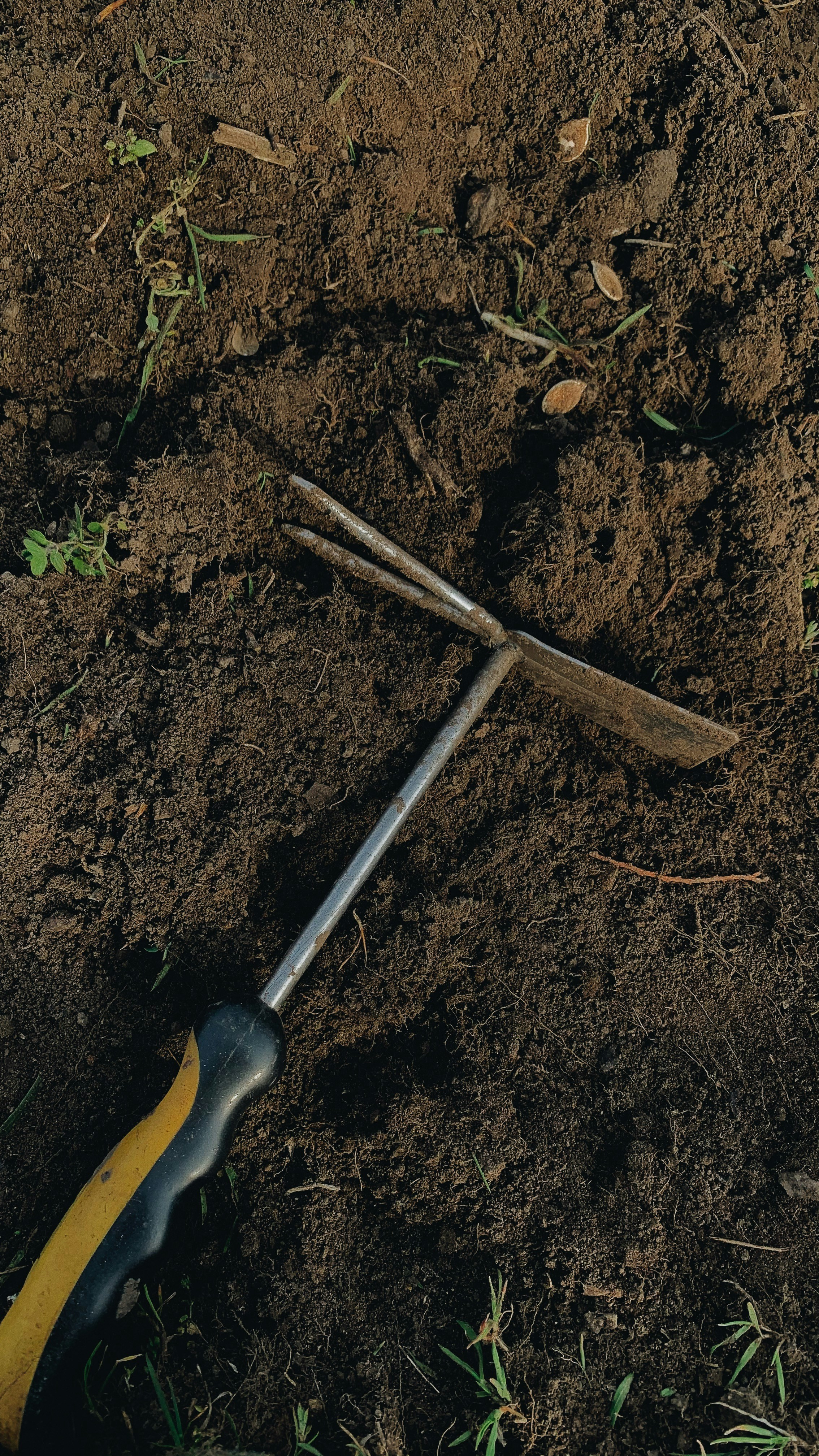
What is a Post Hole Digger?
A post hole digger, commonly utilized in both construction and gardening, is a tool designed specifically for creating narrow, deep holes in the ground. These holes are essential for various applications, primarily for the installation of fence posts, mailboxes, or for planting trees and shrubs. The importance of a post hole digger cannot be overstated, as it facilitates the proper placement of structures that require firm support below the surface.
The basic design of a post hole digger typically incorporates two handles connected to a pair of sharp blades or a single tubed head. When the handles are pulled apart, the blades open, allowing the tool to be inserted into the ground. Upon squeezing the handles together, the blades close, effectively capturing the soil within and enabling the user to lift it out of the hole. This efficient mechanism allows for deep excavation in an uncomplicated manner.
Post hole diggers come in various forms, including manual types and powered versions. Manual models are ideal for small-scale tasks and are widely favored for their simplicity and low cost. In contrast, powered post hole diggers are utilized for larger projects and can significantly expedite the process of digging, particularly in hard and rocky soil conditions.
Moreover, understanding the function and types of post hole diggers can greatly enhance the efficiency of your outdoor projects. Choosing the right tool for specific tasks can save time and labor while ensuring that the installation of posts or planting of trees is both effective and enduring. Therefore, selecting an appropriate post hole digger is a fundamental step that can lead to successful construction or gardening endeavors.
Types of Post Hole Diggers
Post hole diggers are essential tools for various landscaping and construction projects. They come in different types, each designed to cater to specific needs and preferences. Understanding these types will aid in selecting the right tool for the job.
The manual post hole digger is a traditional option that many still prefer for its simplicity and effectiveness. This variant includes two handles and a set of blades that work by squeezing the handles together to dig into the ground. Manual diggers are mainly suited for shallower holes and are excellent for smaller projects, particularly in more confined spaces where larger machines cannot access. Cost-effective and lightweight, they are ideal for home gardeners and DIY enthusiasts.
Gas-powered post hole diggers present a more robust alternative for those needing to dig deeper and wider holes. These models are equipped with a powerful engine, allowing them to cut through tough soil and hard-packed ground with relative ease. They are particularly beneficial for larger projects, such as fencing, landscaping, or planting trees. However, they require more maintenance, and their noise levels may be a concern in residential areas. Users must also consider safety precautions due to the power they possess.
Electric post hole diggers combine the ease of use found in manual versions with the power needed for more challenging tasks. They are generally lighter than their gas-powered counterparts, making them easier to maneuver. An electric model is ideal for homeowners looking for a reliable solution without the hassles of gas or oil. While they might lack the same digging power as gas models, they are suitable for most suburban gardening and construction projects.
In choosing the right type of post hole digger, consider the project requirements, soil conditions, and your personal comfort level with operating machinery. Each type serves a distinct purpose and can significantly impact the efficiency and effectiveness of your digging endeavors.
How to Use a Post Hole Digger Efficiently
Using a post hole digger efficiently requires a combination of methodical preparation and mindful execution. Begin by selecting the appropriate location for digging—consider the layout of any underground utilities, such as water or electrical lines, and mark their positions to avoid damage. Once you have identified a suitable spot, it is advisable to measure and mark the precise locations for your post holes using stakes or chalk.
Preparation is essential before starting the digging process. Ensure you have the right tools ready, including safety goggles to protect your eyes, gloves to provide a good grip, and sturdy footwear for stability. Now, familiarize yourself with the post hole digger. For standard manual models, ensure the handles are gripping securely, and check for any signs of wear or damage.
To begin digging, position the post hole digger over the marked spot. With firm control, push the handles downwards to penetrate the soil. Once the blades have sunk into the ground, pull the handles apart to grab a portion of the soil. Lift the tool out, releasing the accumulated dirt, and repeat this process until the desired depth is reached—generally, a hole of 24 inches is sufficient for most posts.
While digging, take breaks as needed to maintain energy and focus, as digging can be physically demanding. After finishing, clear the area around the hole, smoothing the edges as needed. Finally, to ensure the longevity of your post hole digger, clean it after use, removing any dirt or debris, and store it in a dry place. Following these steps will enhance both the efficiency of using a post hole digger and the overall effectiveness of your project.
Common Issues and Solutions When Digging Post Holes
When utilizing a post hole digger, users may encounter various challenges that affect the digging process. One of the most common issues arises when trying to penetrate hard or rocky soil. In such cases, it may be advisable to employ a few techniques to ease the task. For instance, using a garden spade or pickaxe to break up the soil or rock prior to using the post hole digger can significantly improve performance. Moreover, wetting the area beforehand may soften the ground, making it easier to dig. This approach often allows for a more efficient excavation while reducing the physical strain on the user.
Another common issue experienced by users involves maintaining balance during the digging process. It is important to ensure a stable stance to prevent injury and improve digging efficiency. To achieve this, users should adopt a wide stance with their feet positioned shoulder-width apart. Utilizing the body’s weight effectively can enhance control over the tool. If possible, digger designs with ergonomic features may also encourage better posture and balance; hence, investing in a high-quality post hole digger is recommended.
Sometimes, users may find that the digger becomes stuck during operation. This can be frustrating, particularly in dense soil or if the tool encounters underground roots or stones. If this issue occurs, users should gently wiggle the handles back and forth to loosen the device. Employing a twisting motion can also help release the grip of the soil. If stuck, it may be advantageous to lift the digger slightly and then attempt to dig deeper in another area around the stuck point. Following these strategies can lead to a smoother and more effective post hole digging experience.
If you’re interested in purchasing the item you seek, please click the link for additional details: #americanachoice.
https://amzn.to/3SBN3Oy
AFFILIATE DISCLOSURE: I am an affiliate for this company, I am not a paid employee.
I may receive a commission if you click a link on this page and choose to purchase something.
You can rest assured I will only share things I believe in and will be valuable to you.